
Memorial’s Evacuation Plan
Five Days at MemorialThis thread traces the practical evacuation effort as improvised rescue develops into a difficult, changing process.
increasing Bearing strength in each event
 decreasing
Bearing strength in each eventdecreasingThe First Transfers
The First Transfers
Moving the Most Vulnerable
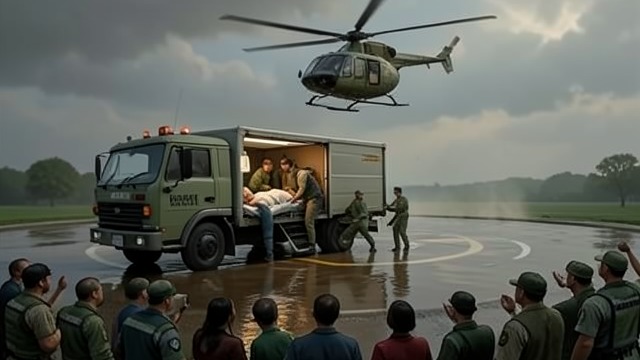
Once flooding threatened the hospital, staff began moving critically ill patients. A National Guard truck carried some patients away while other transfers depended on helicopters.
Fragile Capacity
The helipad was difficult to reach, elevators failed, and every trip consumed time. The early evacuations showed that the physical act of getting patients out could be as dangerous as waiting.
A Neonatal Airlift
A Neonatal Airlift
Incubators Upstairs
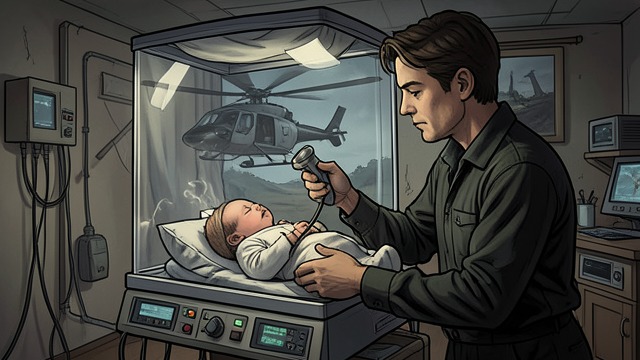
Staff carried fragile babies through the hospital and up to the helipad after elevators became unusable. The process strained equipment, oxygen supplies, and the people doing the carrying.
Improvised Flight
When an incubator would not fit in a small aircraft, Juan Jorge Gershanik held a premature infant and ventilated him by hand. The rescue succeeded, but it exposed how much evacuation depended on improvisation.
The Airlift Pauses
The Airlift Pauses
A Disputed Decision
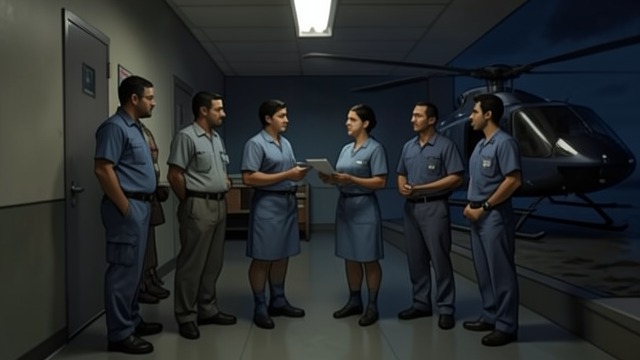
Coast Guard crews sought to continue carrying patients overnight. Hospital leaders worried about darkness, fatigue, and the hazards of moving people through the building.
Lost Opportunity
Helicopters were turned away or redirected while vulnerable patients remained. The pause made the next day’s effort more urgent and left unresolved questions about who had authority to decide whether rescue should continue.
Boats to Dry Ground

Boats to Dry Ground
Volunteers Arrive
Mark LeBlanc and Sandra LeBlanc brought airboats to Memorial after reaching the city. Their arrival offered a route out when road transport was no longer practical.
Slow Shuttle Work
The boats carried patients and other evacuees toward dry ground, but each round trip took time and the drop-off arrangements were uncertain. Rescue became a sequence of small departures rather than a single organized lift.
The Last Patient
The Last Patient
A Difficult Transfer
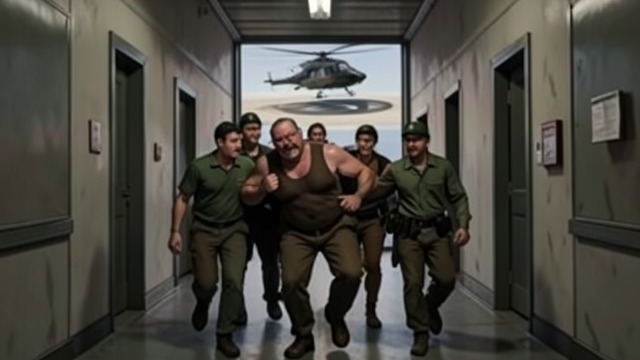
Rodney Scott, a very large and medically fragile patient, was considered hard to move through the hospital’s narrow route to the roof. Volunteers carried him through the machine-room opening and up to the helipad.
An Unexpected Ending
Scott left alive in a helicopter, becoming the last living patient evacuated from Memorial. His escape challenged assumptions that patients considered difficult to move could not be rescued.
August 30, 2005
August 30, 2005
Night of August 30–31, 2005
September 1, 2005
September 1, 2005, evening
